Introduction
Sooner or later, many drivers wonder what a wheel actually costs. The research usually begins at the latest when damage occurs or a new design is wanted. It quickly becomes apparent that prices vary greatly, from very cheap models to considerably more expensive ones. This is exactly what causes uncertainty, because as a buyer you often do not know which price is realistic and where the differences lie.
Anyone who decides without guidance can easily get it wrong. A wheel that is too cheap can cause problems with durability or looks in the long run, while an unnecessarily expensive model may bring no noticeable added value at all. Additional costs such as fitting, registration or suitable tyres are also often underestimated. This quickly creates a false overall picture that makes the purchase more complicated than necessary.
In this article you will learn, clearly and simply, what a wheel really costs, which factors determine the price and what to look out for when choosing. We also show how prices differ by size and construction, and where modern models, such as those in the TEC Speedwheels portfolio, fit into this price structure. That gives you a realistic feel for what you should invest and what you can expect in return.
Which Factors Determine the Price of a Wheel
The price of a wheel does not depend on a single criterion, but on several technical and visual factors. These include the manufacturing process, the size, the coating and the design. A basic cast wheel is considerably cheaper to make than an elaborately manufactured Flowforged wheel. Wheel load ratings and approvals also influence the price, because they involve testing processes.
Another important point is workmanship. The more precisely a wheel is made, the greater the effort usually is. The surface treatment also plays a role, since modern multi-layer coatings are far more resistant than simple paint finishes. This quality is reflected in the price and ensures better durability in the long term.
The following overview shows the most important influencing factors:
| Factor | Meaning | Effect on the price |
|---|---|---|
| Manufacturing process | casting or Flowforged | more effort = higher price |
| Size | 18 to 22 inches | larger wheels cost more |
| Coating | paint or multi-layer | better quality raises the price |
This table makes clear that the price is always the result of several factors. TEC Speedwheels models show this relationship very well, because different series with various manufacturing methods and sizes are offered there. This makes it easy to understand why certain wheels are cheaper or more expensive.
In the end, the price says less about the looks and more about technical and manufacturing quality.
Typical Price Ranges for Alloy Wheels at a Glance
Looking at the market, clear price ranges can be identified. They depend mainly on size and construction. Smaller wheels are generally cheaper, while larger and technically more elaborate models cost considerably more. Prices rise noticeably in the 19 to 22 inch range in particular, because material and manufacturing effort are higher.
The overview below shows typical price ranges:
| Size | Basic models | High-quality models |
|---|---|---|
| 18 inches | approx. €120–200 | approx. €180–300 |
| 19 inches | approx. €180–280 | approx. €250–400 |
| 20–22 inches | approx. €250–400 | approx. €350–600 |
This overview shows that good wheels usually sit in the mid to upper price range. In the sporty segment in which TEC Speedwheels operates in particular, larger wheels such as 19 or 20 inches are very common. These have a much stronger visual impact and are technically more demanding at the same time.
The price differences are therefore not random, but clearly reflect the demands placed on size, strength and design.
Why Large Wheels (18–22 Inches) Cost More
The larger a wheel is, the more material is needed and the higher the demands on strength and construction. With 20 or 22 inches in particular, wheels must be built to withstand high loads despite their size. At the same time, they should not become unnecessarily heavy, so that handling is not negatively affected.
Larger wheels are often used on sporty vehicles or SUVs because they enhance the look of the vehicle. The proportions look more balanced and the design shows to better effect. This is exactly why many modern wheel manufacturers concentrate on larger dimensions.
The following overview shows the differences between smaller and larger wheels:
| Size | Effect | Cost development |
|---|---|---|
| 18 inches | balanced | moderate |
| 19–20 inches | sporty | considerably higher |
| 21–22 inches | very imposing | premium range |
This table shows that larger wheels not only look different, but are also in a different price range. Series such as the GT or Flowforged models from TEC Speedwheels are optimised for exactly these sizes and offer a combination of strength and modern design.
Anyone who chooses larger wheels is therefore investing not only in looks, but also in technology and driving feel.
Which Additional Costs Are Often Underestimated
Besides the price of the wheel itself, there are often further costs that many people do not consider directly when buying. These include fitting, balancing, possibly new tyres or registration if there is no ABE or ECE. These additional factors can raise the total price considerably if they are not planned for from the start.
Care and maintenance also play a role in the long term. High-quality wheels with a good coating need less care and stay visually appealing for longer. Cheaper models, on the other hand, can show signs of wear sooner, which in turn causes additional costs.
The following overview shows typical additional costs:
| Additional cost | Description | Typical amount |
|---|---|---|
| Fitting | mounting & balancing | approx. €15–25 per wheel |
| Tyres | depending on size | highly variable |
| Registration | if necessary | approx. €50–100 |
This table shows that the total price always goes beyond the price of the wheel alone. The technical documentation from TEC Speedwheels helps to avoid registration when the relevant approvals are available. This often reduces additional costs.
A realistic look at all the costs ensures that the decision stays sensible in the long term.
When More Expensive Wheels Are Really Worth It
More expensive wheels are worth it above all when they offer clear advantages. These include lower weight, a better coating or more precise workmanship. These factors have a direct effect on handling), looks and durability. These differences are clearly noticeable with larger wheels or sporty use in particular.
Another advantage of high-quality wheels is their longevity. They keep their shine for longer and are less prone to damage from external influences. This saves money in the long term, because fewer repairs or replacements are needed.
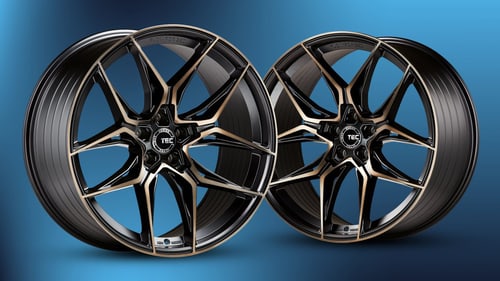
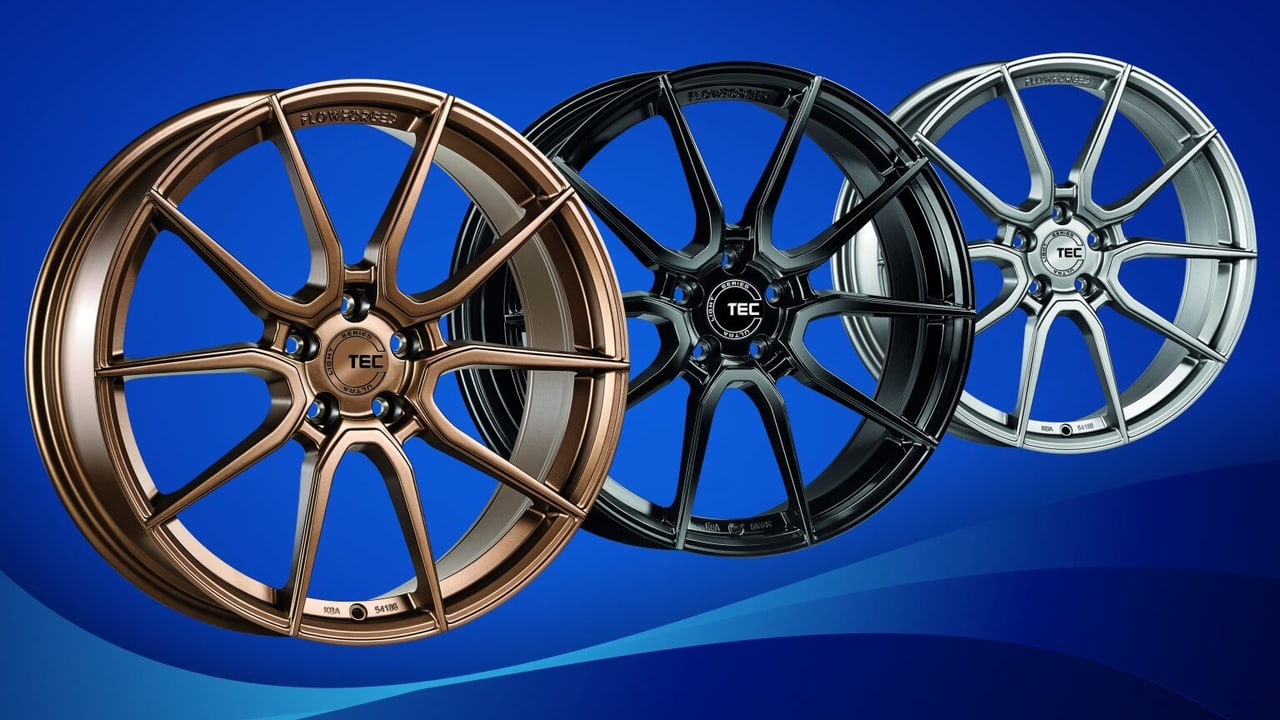
TEC Speedwheels models show that modern wheels sit in the mid to upper price range, but offer a strong combination of design and technology in return. Flowforged wheels in particular provide a good example of how weight and strength can be combined optimally.
Anyone who values quality, looks and driving feel often makes the better decision with a somewhat higher investment.
Conclusion: What Does a Wheel Really Cost?
The price of a wheel depends on several factors and, depending on size and quality, usually ranges between €150 and €600 each. Prices rise particularly in the 18 to 22 inch range, because material and manufacturing become more elaborate. What matters, however, is not the price alone, but the interplay of workmanship, coating and technical quality.
With a clear view of these factors, it is easy to see which wheel is really worth its price. Models such as those from TEC Speedwheels show how modern wheels combine design, technology and everyday practicality. Anyone who makes the right choice invests not only in looks, but also in long-term quality.
Frequently Asked Questions About "Wheel Costs"
Many drivers ask this question because price differences on the market are large and the reasons for them are not immediately obvious. Besides size, technical details, materials and additional costs also play an important role, and are often underestimated. At the same time, many want to avoid paying too much or saving in the wrong place. The following answers help to build a clear understanding of how wheel prices are structured.
How much does a single alloy wheel cost on average?
A single alloy wheel usually costs between €150 and €400, depending on size, design and manufacturing. Larger wheels in the 20 or 22 inch range can be considerably more expensive. High-quality models are often at the upper end of this range, but offer better coatings and sturdier construction in return. The price therefore depends heavily on the intended use.
Why are large wheels considerably more expensive?
Larger wheels need more material and must at the same time be built to be strong. This increases the production effort. Larger wheels are also often combined with more modern designs and more elaborate coatings. These factors mean prices rise noticeably in the upper inch sizes.
What does a complete set of wheels cost?
A complete set of four wheels usually costs between €600 and €2,000, depending on size and quality. For larger and higher-quality models the price can go beyond that. Costs for tyres and fitting are often added on top. The total price therefore always depends on the complete combination.
Are more expensive wheels automatically better?
Not automatically, but higher prices often reflect better workmanship, higher-quality materials and longer-lasting coatings. It is important to check the technical data and not decide on price alone. Wheels with clear specifications and tested values generally offer more safety.
What costs come on top of the wheel price?
Besides the purchase price, there are often fitting costs, possibly new tyres and, in some cases, registration fees. These additional costs can raise the total price considerably. Anyone who finds out in advance can plan for these points better and avoid being surprised.
How do I find wheels with good value for money?
Good value for money can be recognised by workmanship, coating and technical values matching the price. Wheels should have sufficient wheel load ratings and be properly documented. TEC Speedwheels models offer good guidance here, because they combine clear technical data with modern designs.
Our team in Kaiserslautern checks size, offset and approvals for your car. Free and without obligation.
Wheel configurator