Introduction
Many drivers are confronted at some point with a damaged wheel that needs replacing. A kerb strike, a pothole or simply wear can make a replacement necessary. At that point the question arises of what costs to expect and whether replacing it is worthwhile at all. Because wheels come in different sizes and versions, a general estimate is often difficult.
Anyone who does not get enough information quickly gets a surprise at the total cost. Besides the price of the wheel itself, there are often additional expenses for fitting, tyre changing or possibly registration. Differences between smaller and larger wheels, for example in the range of 18 to 22 inches, also have a big effect on the price. Without a clear overview, replacement can become more expensive than expected or seem unnecessarily complicated.
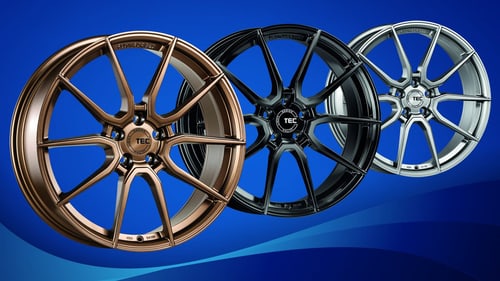
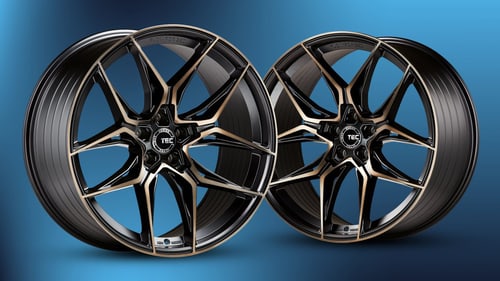
In this article you will learn what replacing a wheel really costs, which factors influence the price and which additional costs you should take into account. We also show how different wheel sizes affect the price and how modern models, such as those offered by TEC Speedwheels, fit into this cost structure. That way you can realistically estimate what costs to expect and how to make the right decision.
What Costs Arise When Replacing a Wheel
Replacing a wheel is not just a matter of buying the new wheel. The total price is made up of several components that are often underestimated. Besides the wheel itself, there are costs for fitting, balancing and, in some cases, new tyres. Labour time also plays a role, as the replacement must be carried out properly to ensure road safety.
An important point is that the costs depend heavily on whether only a single wheel is replaced or a complete set. If only one wheel is replaced, you must make sure it matches the existing set visually and technically. With a full replacement the costs rise, but you get a uniform result.
The following overview shows typical cost components:
| Cost item | Description | Typical price |
|---|---|---|
| Wheel | depending on size and quality | approx. €150–600 |
| Fitting | mounting and balancing | approx. €15–30 |
| Tyres (optional) | if necessary | variable |
This table shows that the price of the wheel is only part of the total cost. With larger wheels in the 19 to 22 inch range in particular, prices rise significantly because material and manufacturing are more elaborate. TEC Speedwheels models sit in this segment and offer a combination of modern looks and sturdy construction.
Anyone planning a replacement should therefore always keep the total price in view and not just look at the wheel itself.
How Wheel Size Affects the Replacement Price
The size of the wheel) is one of the most important factors for the total price. Larger wheels need more material and are technically more demanding to engineer. Costs therefore rise noticeably with increasing diameter. The difference compared with smaller wheels becomes very clear at 20 or 22 inches in particular.
Many vehicles in the sporty segment today use larger wheel dimensions, because they look better and underline the proportions of the car. This also pushes the average price up. At the same time, the cost of suitable tyres often rises too, which makes replacement more expensive still.
The overview below shows typical price developments by size:
| Size | Wheel price | Overall effort |
|---|---|---|
| 18 inches | moderate | manageable |
| 19–20 inches | higher | clearly noticeable |
| 21–22 inches | high | premium range |
This table makes clear that larger wheels not only have more visual impact, but are also in a different price category. TEC Speedwheels series offered in these sizes show this relationship very clearly.
Size should therefore always be chosen deliberately, as it has the biggest influence on the total cost.
When Additional Costs Can Arise During Replacement
Besides the basic costs, further expenses can arise that often only become visible during the replacement. These include, for example, the need to fit new tyres if the old ones are no longer compatible or are already worn. Valves, sensors or small components can also cause additional costs.
Another point is registration. If the new wheel does not have a suitable ABE or ECE, a technical inspection may be required. This costs extra and should be planned for in advance. With many modern wheels, such as those from TEC Speedwheels, the technical data is set up so that use is often possible without registration, provided the conditions are met.
Below you will find typical additional costs:
| Additional cost | Cause | Amount |
|---|---|---|
| new tyres | wrong size or wear | variable |
| Registration | missing approval | approx. €50–100 |
| Sensors | tyre pressure system | depending on vehicle |
This table shows that replacing a wheel involves more than just the purchase. Anyone who takes these factors into account early can plan the total effort better and avoid being surprised.
Additional costs are therefore not a special case, but a normal part of replacement.
The Difference Between Replacing a Single Wheel and a Complete Set
Replacing a single wheel is cheaper in many cases, but also brings challenges. With older wheels in particular, it can be difficult to reorder the same model or the same colour. Different batches or slight colour variations can mean the overall look is no longer uniform.
A complete set of wheels is more expensive, but offers a consistent appearance and avoids such differences. It can also make sense to replace all the wheels at once in the case of major damage or outdated models. This enhances the look of the vehicle and brings it up to date technically.
The overview below shows the differences:
| Type of replacement | Advantage | Disadvantage |
|---|---|---|
| Single replacement | cheaper | visual differences possible |
| complete set | uniform design | higher costs |
This overview shows that the decision does not depend on price alone. In many cases a complete replacement is worthwhile if several wheels are affected or the design is to be changed anyway. TEC Speedwheels models offer a wide choice here, so a new, uniform look is easy to achieve.
The choice therefore depends on whether function or looks come first.
How Quality Affects Replacement Costs
The quality of the wheel has a direct influence on how often a replacement is necessary. High-quality wheels are more robust, better coated and less prone to damage from external influences. They therefore last longer and need replacing less often. Cheaper models can show signs of wear or become damaged sooner, which leads to higher costs in the long term.
Quality is decisive especially with large wheels, as these are put under greater stress. High-quality construction ensures the wheel stays strong and keeps its shape. The coating also plays an important role, because it protects against corrosion and wear.
TEC Speedwheels wheels show that a well-thought-out combination of material, manufacturing and coating reduces the need for replacement. This means lower costs in the long term, even if the initial purchase is somewhat higher.
A high-quality wheel is therefore not just a visual decision, but also an economic one.
Conclusion: What Does Replacing a Wheel Really Cost?
Replacing a wheel usually costs between €150 and €600 each, depending on size and quality. Fitting costs and possible additional costs such as tyres or registration come on top. Prices rise noticeably with larger wheels in the 18 to 22 inch range in particular. What matters, however, is to look at the total effort and not just the price of the wheel.
With clear planning and the right choice, unnecessary costs can be avoided. High-quality wheels offer long-term benefits here, because they need replacing less often and enhance the vehicle both visually and technically.
Frequently Asked Questions About "What Does It Cost to Replace a Wheel?"
Many drivers ask this question because a replacement often comes unexpectedly and the costs are hard to estimate. Different sizes, materials and additional costs make it difficult to give a general answer. At the same time, many want to know whether a repair is worthwhile or whether a complete replacement makes more sense. The following answers give you clear guidance.
How much does it cost to replace a single wheel?
A single wheel usually costs between €150 and €400, depending on size and quality. Larger models can be considerably more expensive. Fitting costs are added on top, which raises the total price. The exact price depends heavily on the vehicle and the wheel chosen.
Do I always have to replace all the wheels?
No, in principle a single wheel can be replaced on its own. However, it can be difficult to find an identical model, especially with older designs. In such cases a complete set often looks more harmonious. The decision therefore depends on condition and availability.
What does fitting a wheel cost?
Fitting usually costs between €15 and €30 per wheel. This includes mounting the tyre and balancing. These costs are relatively constant regardless of wheel size. Additional work can raise the price.
When do I need new tyres when changing a wheel?
New tyres are necessary if the size of the wheel is changed or the existing tyres are worn. Larger wheels also often require different tyres. These costs should always be planned for.
Does a new wheel need to be registered?
That depends on the approval. Wheels with an ABE or ECE can often be driven without registration. If only a parts certificate (Teilegutachten) is available, an inspection is required. The technical documents give clear information here.
Is a more expensive model worth it when replacing?
High-quality wheels last longer, are stronger and are often better coated. This reduces the long-term cost of replacement or repair. Anyone who drives regularly or values looks benefits from this investment.
Our team in Kaiserslautern checks size, offset and approvals for your car. Free and without obligation.
Wheel configurator