Introduction
Many drivers use their vehicle every day and expect all components to work reliably. It is often underestimated how heavily wheels) are stressed in everyday driving. Potholes, kerbs, weather and dirt act on the wheel continuously. For frequently used vehicles in particular, the question therefore arises of which wheels are especially robust and can withstand these loads.
If you do not pay attention to robustness when choosing wheels, problems can arise quickly. Delicate wheels react more strongly to external influences and show signs of wear or damage sooner. This leads not only to cosmetic flaws, but can also impair safety in the long run. Care effort and costs also rise if wheels have to be repaired or replaced more often.
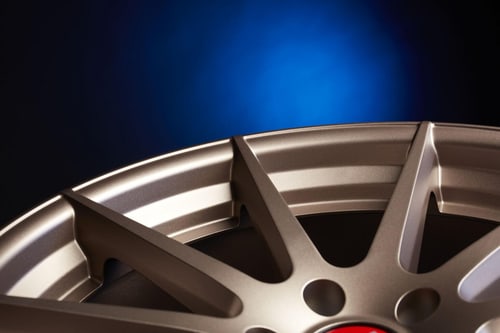
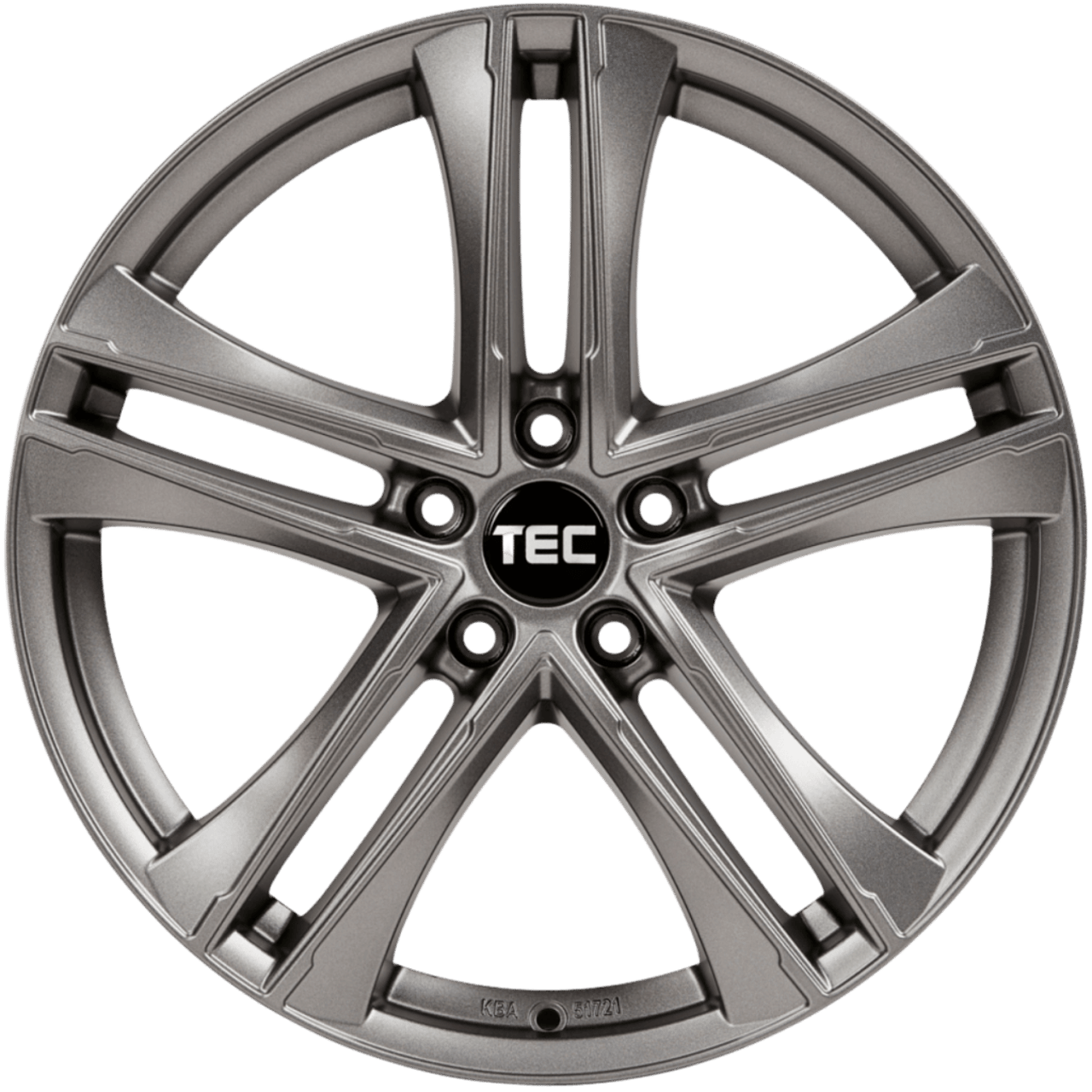
In this article you will learn which wheels prove their worth in everyday use and what to look out for when choosing. We show you how material, size and construction affect robustness. We also explain how modern wheels, such as the models from TEC Speedwheels, are developed specifically for daily use. That way you can find a wheel that stays reliable even with intensive use.
Why Robustness Matters in Everyday Driving
Wheels are exposed to a wide range of loads every day, which are often underestimated. Uneven roads, kerbs and changing weather act continuously on the material. These loads add up over time and can affect the structure of the wheel. A robust wheel is therefore essential for ensuring safety and stability in the long term.
The importance of robustness is particularly evident in city traffic. Frequent parking, narrow streets and poor road surfaces increase the risk of damage. External influences such as moisture and dirt also play a role, as they can attack the surface.
The following overview shows typical everyday loads:
| Load | Cause | Effect |
|---|---|---|
| Kerbs | Parking | Scratches |
| Potholes | poor roads | Deformation |
| Weather | Rain & salt | Corrosion |
This table shows that wheels are put under heavy strain in everyday driving. Models from TEC Speedwheels are designed to withstand these demands.
Robustness is therefore a central factor when choosing wheels.
Which Materials Are Particularly Resistant
The material of the wheel has a major influence on its robustness. Steel wheels are considered particularly resistant to mechanical loads, but are more prone to rust. Alloy wheels, by contrast, offer a better combination of weight and stability, especially when modern manufacturing processes are used.
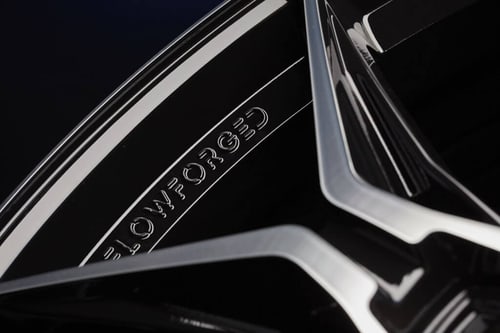
Flowforged wheels are a further development in which the material is compressed. This gives high stability at low weight. This combination ensures that the wheel stays durable even with intensive use.
The overview shows the differences:
| Material | Advantage | Robustness |
|---|---|---|
| Steel | stable | high |
| Aluminium | light | good |
| Flowforged | optimised | very high |
This table shows that modern materials offer clear advantages. TEC Speedwheels relies on such technologies to develop wheels that are both robust and light.
The material therefore largely determines resistance.
Why the Right Wheel Size Matters for Everyday Use
Wheel size affects robustness more than many people assume. Smaller wheels offer more protection thanks to the taller tyre sidewall. The tyre acts as an additional cushioning layer and protects the wheel from direct impacts.
Larger wheels of 20 or 21 inches are more sensitive because the tyre is lower in profile. As a result, bumps are passed on to the wheel more directly. Even so, larger wheels are possible in everyday use if they are well constructed.
The following overview shows the differences:
| Size | Protection | Robustness |
|---|---|---|
| 18 inch | high | very good |
| 19–20 inch | moderate | good |
| 21–22 inch | lower | limited |
This table shows that smaller and medium sizes are often more robust in everyday driving. Models from TEC Speedwheels offer a sturdy construction even in larger sizes, which reduces this disadvantage.
The size should therefore be chosen deliberately.
Which Designs Are More Practical for Everyday Use
Design affects not only appearance but also robustness. Wheels with open, clear structures are less prone to damage and easier to clean. Filigree designs can be more delicate, as they have more details and smaller structures.
More solid designs often offer greater stability because forces are distributed better. They are also less prone to minor damage. Modern wheels, such as those from TEC Speedwheels, combine design and stability to offer a solution suited to everyday use.
The overview shows typical differences:
Below you can see the most important aspects:
| Design | Stability | Everyday use |
|---|---|---|
| solid | high | very good |
| open | good | practical |
| filigree | lower | more delicate |
This table shows that design has a direct influence on use. A robust wheel should therefore not only look good, but also be sturdily built.
Design therefore plays an important role in everyday suitability.
How Coating and Care Affect Robustness
A high-quality coating protects the wheel from external influences. It prevents moisture and dirt from attacking the material. This protection is crucial in winter in particular, as salt can damage the surface.
Care also contributes to robustness. Regular cleaning prevents aggressive residues from settling. High-quality wheels, such as those from TEC Speedwheels, have coatings that reduce the care effort and at the same time increase durability.
These factors should be taken into account when choosing, as they extend the service life of the wheel.
Why Quality Makes the Difference in Everyday Driving
The quality of the wheel determines how well it withstands daily loads. High-quality wheels are precisely manufactured and offer a sturdy construction. They cope better with loads and show less wear.
Cheap wheels can be damaged more quickly and lose quality sooner. This results in higher costs in the long run, as they have to be replaced more often. Models from TEC Speedwheels are designed for long-term use and offer a good combination of stability and design.
Quality is therefore a decisive factor for everyday suitability.
Conclusion – Which Wheels Are Particularly Robust in Everyday Driving?
Robust wheels are characterised by high-quality materials, a sturdy construction and a suitable size. Sizes in the range of 18 to 19 inches offer the best protection, while modern manufacturing processes also make larger wheels suitable for everyday use. A good coating and regular care contribute further to durability. Models from TEC Speedwheels show how robustness and design can be combined to create a reliable solution for everyday driving.
Frequently Asked Questions about "Which Wheels Are Robust for Daily Use?"
Many drivers want wheels that stay reliable even with intensive use. Several factors play a role here, and they are not always immediately obvious. The following answers help to clear up the most important questions.
"Which wheels are the most robust?"
Wheels made of high-quality materials with a sturdy construction are particularly robust. Modern alloy and Flowforged wheels offer a good combination of weight and stability.
"Are larger wheels less robust?"
Larger wheels are more sensitive because the tyre offers less protection. High-quality models can compensate for this disadvantage, however.
"Which size is best for everyday use?"
Sizes between 18 and 19 inches offer the best balance between protection and looks. They are particularly suitable for everyday use.
"Does the design affect robustness?"
Yes, solid designs are often more stable, while filigree designs can be more delicate.
"How important is the coating?"
A high-quality coating protects against dirt and weather. It extends the service life of the wheel.
"Which wheels are a good choice for everyday use?"
Wheels that combine stability, design and quality are ideal. Models from TEC Speedwheels offer suitable solutions here.
Our team in Kaiserslautern checks size, offset and approvals for your car. Free and without obligation.
Wheel configurator