
Introduction
When buying new wheels, many drivers come across the term "wheel load rating" (Radlast) without knowing exactly what is behind it. This value is often given in the technical data, but at first glance it seems complicated and hard to understand. At the same time, the wheel load rating is one of the most important factors when it comes to safety and legality. It plays a decisive role with larger wheels in the 18 to 22 inch range in particular.
If the wheel load rating is not taken into account correctly, the consequences can be serious. A wheel that is not designed for the weight of the vehicle can be damaged or, in the worst case, fail. Legal problems can also arise if the wheel does not meet the required standards. Many people underestimate this value, even though it is directly linked to the safety of the vehicle.
In this article you will learn in plain terms what the wheel load rating means, how it is calculated and why it is so important. We explain how to determine the right value for your vehicle and what to look out for when buying. We also show how modern wheels, such as the models from TEC Speedwheels, are built to reliably meet the required wheel load rating. That way you can put the technical specifications into context and make a safe choice.
What the Wheel Load Rating Means Exactly
The wheel load rating describes the maximum load that a single wheel) can carry. This value is given in kilograms and shows how much weight per wheel may be safely supported. It is not the total weight of the vehicle that is considered, but the load acting on one individual wheel.
As a vehicle normally stands on four wheels, the weight is distributed accordingly. However, this distribution is not always even, as different forces can act depending on loading or driving style. That is why the wheel load rating is always given with a safety factor.
The following overview shows the basics:
| Term | Meaning | Unit |
|---|---|---|
| Wheel load rating | maximum load per wheel | kg |
| Total weight | weight of the vehicle | kg |
| Distribution | weight on wheels | variable |
This table shows that the wheel load rating is a central technical value. Models from TEC Speedwheels are built to carry high loads reliably.
The wheel load rating is therefore the basis for the stability of the wheel.
Why the Wheel Load Rating Is Decisive for Safety
The wheel load rating has a direct influence on the safety of the vehicle. If a wheel is not designed for the actual load, material fatigue or damage can occur. The risk rises at high speeds or under heavy loads, for example when cornering.
A wheel load rating that is too low can cause the wheel to give way or deform under load. In the worst case this can lead to failure. It is therefore important to always choose a wheel whose load rating meets or exceeds the requirements of the vehicle.
The overview shows the effects:
| Situation | Risk | Consequence |
|---|---|---|
| load rating too low | Overload | Damage |
| suitable load rating | stable | safe use |
| high load rating | Reserve | additional safety |
This table shows how important the right choice is. TEC Speedwheels places great emphasis on making sure its wheels withstand the required loads.
The wheel load rating is therefore a central safety factor.
How to Determine the Right Wheel Load Rating for Your Vehicle
To determine the suitable wheel load rating, the permissible gross vehicle weight must be taken into account. This is stated in the vehicle registration document. This weight is then divided among the number of wheels, with a safety margin included.
Note that the weight is not always evenly distributed. With loaded vehicles in particular, or during certain driving manoeuvres, the load on individual wheels can be higher. It is therefore important to allow a sufficient buffer.
The following overview shows the calculation:
| Step | Explanation | Result |
|---|---|---|
| Total weight | vehicle weight | Basis |
| Division | by 4 wheels | Minimum value |
| Safety margin | additional reserve | recommended wheel load rating |
This table shows how the wheel load rating is determined. Manufacturer specifications, as provided by TEC Speedwheels, help you find the right wheel quickly.
The calculation is therefore an important step in the selection.
Why Larger Wheels Often Need Higher Load Ratings
As wheel size increases, so do the requirements for the wheel load rating. Larger wheels of 20 or 21 inches are often fitted to heavier vehicles or high-performance models. They therefore have to withstand higher loads.
In addition, stronger forces act on the material of larger wheels, as the tyre offers less damping. It is therefore important that these wheels are built accordingly sturdy. Modern manufacturing processes make it possible to combine high load ratings with optimised weight.
The overview shows the differences:
| Size | Load | Requirement |
|---|---|---|
| 18 inch | moderate | Standard |
| 19–20 inch | higher | reinforced |
| 21–22 inch | high | particularly sturdy |
This table shows that larger wheels have higher requirements. TEC Speedwheels develops wheels that are designed precisely for these loads.
Size therefore directly influences the wheel load rating.
What Role Quality and Construction Play
The construction of the wheel is decisive for how well it can take the wheel load. High-quality wheels are precisely manufactured and have sturdy structures that distribute loads evenly. This prevents individual areas from being overloaded.
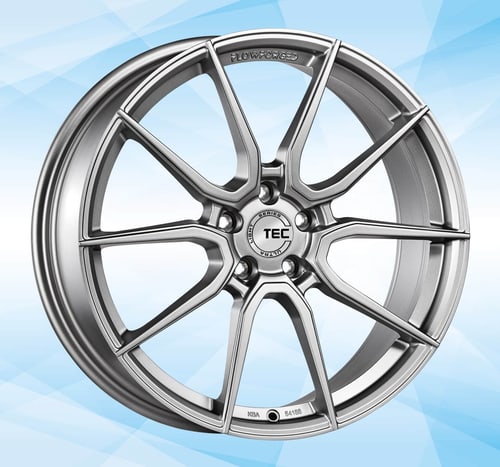
Modern technologies such as Flowforged make it possible to optimise the material structure. This produces wheels that are both light and resilient. Models from TEC Speedwheels use these technologies to achieve a high wheel load rating at low weight.
The quality of the wheel therefore determines how reliably it works in everyday use. A well-constructed wheel offers not only safety but also a longer service life.
Conclusion – What Does the Wheel Load Rating Tell You?
The wheel load rating indicates how much weight a wheel can safely carry and is therefore a decisive value for safety. It must match the vehicle weight and offer enough reserve to compensate for everyday loads. This value is particularly important for larger wheels, as higher forces act on them. Modern wheels, such as the models from TEC Speedwheels, are built to reliably meet these requirements. If you take the wheel load rating into account, you make a safe and sustainable decision.
Frequently Asked Questions about "What Does the Wheel Load Rating Tell You?"
Many drivers are unsure how important the wheel load rating really is and how to interpret it correctly. Especially when choosing new wheels, questions often arise that cannot be answered straight away. The following answers help to clear up the key points.
"What does the wheel load rating mean for wheels?"
The wheel load rating indicates the maximum weight a single wheel may carry. It is given in kilograms and is an important safety value.
"How do I find the right wheel load rating for my car?"
The wheel load rating follows from the vehicle weight and a safety margin. Information in the vehicle registration document and manufacturer data help with the choice.
"What happens if the wheel load rating is too low?"
The wheel can be overloaded and damaged. This can impair the safety of the vehicle.
"Is a higher wheel load rating better?"
Yes, a higher wheel load rating offers more safety and reserve. It ensures that the wheel stays stable even under high loads.
"Does wheel size affect the wheel load rating?"
Yes, larger wheels often need a higher wheel load rating, as they are under greater load.
"Which wheels are particularly strong?"
High-quality wheels, such as those from TEC Speedwheels, are built to carry high wheel loads reliably.
Our team in Kaiserslautern checks size, offset and approvals for your car. Free and without obligation.
Wheel configurator